How I Learned to Spend Smarter on Experiences Without Blowing My Budget
Remember that trip you booked last-minute, only to realize halfway through you were stressed about money instead of enjoying the moment? Yeah, me too. As someone who loves concerts, travel, and dining out, I used to treat experience spending like a free-for-all. But after one too many “fun now, panic later” moments, I started digging into how to enjoy life’s pleasures without risking my financial peace. This is the real talk on managing risk—not in stocks—but in how we spend on experiences. It’s not about cutting out joy; it’s about making room for it in a way that lasts. Because true freedom isn’t spending without limits. It’s knowing you can enjoy today without sacrificing tomorrow.
The Hidden Cost of Living Your Best Life
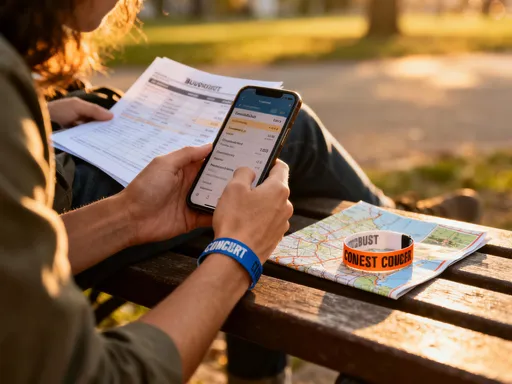
For many, the dream of a fulfilling life is painted in moments: sipping coffee at a Parisian café, dancing at a music festival, or celebrating a birthday with a surprise dinner. These experiences feel priceless—and they should be. But the danger lies not in the joy they bring, but in how easily we overlook their financial footprint. Emotional spending, driven by excitement or the fear of missing out, often clouds judgment. A spontaneous concert ticket might seem harmless at $150—until it’s charged to a maxed-out credit card, triggering interest and delaying a savings goal. The real cost isn’t just the price tag. It’s the ripple effect on cash flow, stress levels, and long-term financial health.
FOMO—fear of missing out—is one of the most powerful drivers of unplanned experience spending. Social media amplifies this, showing curated highlights of friends’ vacations, dinners, and adventures. The pressure to keep up can make saying no feel like personal failure. But every impulse purchase on an experience chips away at financial stability. What starts as a one-time treat can become a pattern: weekend brunches, last-minute getaways, streaming subscriptions, event tickets. Individually, these may seem small. Together, they form a steady leak in the budget—silent, invisible, and potentially damaging. The key insight is this: experience spending isn’t inherently risky. It becomes risky when it’s unstructured, unplanned, and disconnected from broader financial goals.
Moreover, many overlook the hidden costs tied to experiences. Think about travel: the flight price is just the beginning. There are airport transfers, meals, tips, souvenirs, and unexpected fees. A $500 flight can easily become an $800 trip. Concerts come with parking, merchandise, and overpriced drinks. Even a simple dinner out includes tax, tip, and often an appetizer or dessert not in the original budget. These extras are rarely accounted for, yet they significantly increase financial exposure. Without awareness, what feels like a modest splurge becomes a strain. The solution isn’t to avoid experiences—it’s to see them clearly, plan for them fully, and treat them not as escapes from reality, but as part of a balanced financial life.
Why Risk Management Starts Before You Click “Buy”
Most people evaluate an experience purchase in the moment: “Do I want this?” and “Can I pay for it?” But those questions miss the deeper financial truth. The real question should be: “What happens if I buy this—and something unexpected comes up next month?” Risk management in experience spending begins long before the transaction, in the quiet space between desire and action. It’s about assessing not just affordability today, but resilience tomorrow. A $200 weekend getaway might fit your current balance, but what if your car needs repairs the following week? Can your emergency fund handle both? If not, that trip isn’t truly affordable—it’s a risk disguised as fun.
Financial exposure isn’t just about debt. It’s about trade-offs. Every dollar spent on an unplanned experience is a dollar not going toward savings, debt reduction, or future security. Over time, these trade-offs accumulate. A study by the Federal Reserve found that nearly 40% of Americans wouldn’t be able to cover a $400 emergency without borrowing or selling something. That statistic becomes more alarming when you consider how many of those emergencies follow periods of discretionary spending. People aren’t overspending on necessities—they’re overspending on experiences they believe they deserve. The emotional payoff is immediate; the financial consequences come later, often when least expected.
Shifting from “Can I afford this?” to “Can I afford this later?” changes everything. It forces a longer-term view. It means asking: Will this experience align with my values? Is it a rare opportunity, or just a fleeting urge? Can I delay it to save first? This mindset isn’t about denial. It’s about intention. It’s recognizing that financial peace comes not from constant spending, but from confidence in your ability to handle life’s ups and downs. When you approach experience spending with this lens, you’re no longer reacting to emotions—you’re making decisions rooted in stability. And that shift, small as it may seem, is the foundation of lasting financial well-being.
Building Your Personal Experience Budget (Without Killing the Fun)
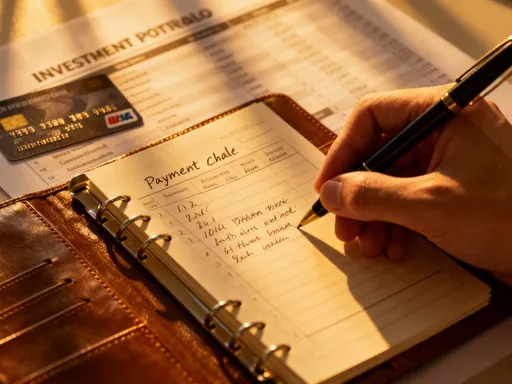
Budgeting often carries a negative connotation—as if it means giving up everything enjoyable. But in reality, a well-structured budget doesn’t limit joy; it protects it. The goal isn’t to stop spending on experiences. It’s to spend on them wisely, consistently, and without guilt. One of the most effective tools is creating a dedicated experience fund—a separate category in your monthly budget specifically for leisure, travel, dining, and entertainment. This fund acts like a container: you allocate a fixed amount based on your income, and you spend only from that pool. When the money is gone, you wait until the next cycle. This simple rule transforms spending from impulsive to intentional.
How much should go into this fund? A common guideline is the 50/30/20 rule: 50% for needs, 30% for wants, and 20% for savings and debt repayment. Within the 30% for wants, a portion can be earmarked for experiences. For a household earning $5,000 a month, that’s $1,500 for discretionary spending—enough to cover dining out, concerts, travel, and other pleasures. But even within that, prioritization matters. If travel is a top value, you might allocate $400 monthly toward a vacation fund. If live music brings you the most joy, set aside $100 for tickets. The key is alignment: your spending should reflect what truly matters to you, not what others are doing.
Flexibility is also essential. Life changes, and so should your budget. Maybe you get a bonus—great, you can boost your experience fund for a special trip. Or maybe an unexpected expense arises—then it’s wise to temporarily reduce leisure spending. The goal isn’t rigidity, but awareness. When you see your experience spending as part of a bigger picture, you stop viewing it as a guilty pleasure and start seeing it as a planned, valued part of life. And here’s the best part: when you know your fun is budgeted, you enjoy it more. There’s no background anxiety about overspending. You’re free to be present, to savor the moment, because you’ve already made peace with your finances.
The Red Flags That Turn Fun Into Financial Stress
Even with the best intentions, certain behaviors can quietly undermine financial stability. These aren’t always obvious—they often come wrapped in excitement or convenience. One major red flag is using credit cards for instant gratification. Swiping for a concert ticket feels easy, but if the balance isn’t paid in full, interest begins to accrue. A $150 ticket could cost $180 by the end of the year if carried on a card with 20% APR. Over time, this habit turns experiences into long-term debt, eroding financial freedom. The danger isn’t the purchase itself—it’s the lack of a repayment plan.
Another common trap is treating rewards cards as free money. Yes, earning points or cash back is valuable—but only if you’re not spending extra to get them. Some people justify overspending because they’re “maxing out bonus categories.” But if you spend $500 on dining to earn $50 back, you’re still out $450. And if that spending pushes you into debt, the interest likely outweighs the reward. The same applies to financing offers like “no interest for 12 months.” These can be useful if paid in full before the promotional period ends. But if not, the retroactive interest can be devastating. These tools aren’t bad—they’re just risky without discipline.
Hidden fees are another silent budget killer. Event platforms often add service charges, processing fees, and delivery costs that inflate the final price by 20% or more. A $100 ticket can become $125 at checkout. Travel booking sites may advertise low rates but hide resort fees, baggage charges, or mandatory tips. These extras aren’t always visible upfront, leading to sticker shock. To avoid this, always calculate the total cost before committing. Use the “cost-per-memory” test: divide the total expense by the number of days or meaningful moments. Is a $600 weekend trip worth $200 per day of enjoyment? If yes, great. If not, reconsider. Another helpful rule is the 24-hour wait: delay any non-essential purchase by one day. Most impulse urges fade, and you’ll make better decisions with time.
Smart Substitutions That Keep the Magic Alive
You don’t need to give up joy to stay within budget. Often, small changes in behavior can preserve the essence of an experience while reducing its financial risk. Take travel: instead of peak-season trips to crowded destinations, consider off-peak visits. Flights and accommodations are often 30–50% cheaper, and the experience can be more relaxed and authentic. A summer trip to the beach might cost $2,000 in July, but the same stay in May could be $1,200—with fewer crowds and better weather. The joy isn’t in the timing; it’s in the connection, the scenery, the break from routine.
Local experiences are another goldmine. You don’t need to fly across the country to create memories. Farmers markets, art walks, seasonal festivals, and community theater performances offer rich, engaging experiences at a fraction of the cost. A family picnic in the park, a free outdoor concert, or a DIY wine-tasting night at home can be just as meaningful as a high-priced alternative. The key is intentionality: focus on the quality of time, not the price tag. When you shift from “What can I buy?” to “How can I connect?”, the possibilities expand.
Group discounts and shared costs are powerful tools. Traveling with friends? Splitting lodging and transportation cuts individual expenses. Buying concert tickets in bulk? Some venues offer group rates. Even dining out becomes more affordable when you share appetizers or split entrees. And don’t underestimate the value of free resources: library events, museum free days, online classes, and walking tours. These aren’t second-rate options—they’re smart, sustainable ways to enjoy life without financial strain. The goal isn’t to spend less, but to spend better. When you prioritize value over visibility, you gain more freedom, not less.
Protecting Your Peace: Emergency Planning for Experience Lovers
Even the most careful plans can be derailed by life. Flights get canceled. Events get postponed. Illnesses happen. That’s why true financial confidence includes a plan for the unexpected. One of the simplest ways to protect your experience spending is to build in buffers. When budgeting for a trip, add a 10–15% cushion for emergencies. This covers unexpected costs like medical needs, last-minute changes, or lost items. It prevents one hiccup from turning into a financial crisis.
Cancellation insurance and refundable options are worth considering, especially for high-cost experiences. Travel insurance can reimburse non-refundable expenses if a trip is interrupted. Some ticket platforms offer refundable tickets for a slightly higher fee—worth it if your schedule is uncertain. Similarly, booking refundable hotel stays or flexible flights may cost more upfront but offer peace of mind. The goal isn’t to expect disaster, but to be ready if it comes. Financial resilience isn’t about avoiding risk—it’s about managing it wisely.
Mental flexibility is just as important. Sometimes, the best financial decision is to change plans. If a concert is rescheduled, consider whether attending is still worth the cost. If a trip feels overwhelming, it’s okay to postpone. Letting go of perfection allows you to adapt without guilt. And remember: experiences aren’t failures if they don’t go exactly as planned. They’re still moments of growth, connection, and life. When you build flexibility into your approach, you protect not just your budget, but your emotional well-being. You stop seeing money as a source of stress and start seeing it as a tool for lasting joy.
Making It Stick: Habits That Balance Joy and Security
Sustainable financial behavior isn’t about willpower. It’s about systems. The most successful people don’t rely on motivation—they build routines that make smart choices automatic. One powerful habit is the monthly spending review. Set aside time each month to look at your experience spending: what you paid for, what you enjoyed, and what felt wasteful. This isn’t about judgment—it’s about learning. Did that concert bring lasting joy? Was the vacation worth the cost? Use these insights to refine your budget and priorities.
Another effective practice is setting a joy-to-budget ratio. For example, aim to spend no more than 15% of your discretionary income on experiences that don’t align with your core values. Or decide that for every $100 spent on fun, $20 goes into savings. These ratios create balance without deprivation. They ensure that enjoyment doesn’t come at the expense of security. Over time, this habit builds financial confidence. You stop feeling guilty about spending—and stop fearing the consequences.
Finally, track emotional satisfaction alongside costs. Keep a simple journal: after each experience, rate your happiness from 1 to 10. Compare that to what you spent. You may find that low-cost activities—like a walk in the woods or a game night with family—score higher than expensive ones. This data helps you spend on what truly fulfills you, not just what looks good online. When you align spending with joy, you don’t need to spend more to feel rich. You feel rich because you’re living with purpose.
The journey to smarter experience spending isn’t about cutting back. It’s about building up—confidence, clarity, and control. It’s understanding that financial peace isn’t found in endless frugality, nor in reckless spending, but in the space between: where joy and security coexist. Every experience you plan, protect, and reflect on becomes a step toward lasting freedom. And that’s the greatest reward of all—not just a memory, but the quiet certainty that you can keep making them, year after year, without fear.