Liquid Gold Strategy: How I Turn Bottles into Smart Returns
Ever wondered if your wine rack could do more than just impress guests? I started treating wine like an asset, not just a drink—and it changed everything. Through trial, error, and a few costly lessons, I discovered how to balance passion with profit. This isn’t about get-rich-quick schemes; it’s about smart, informed moves that optimize returns while respecting the risks. Let me walk you through the real method behind the magic. What began as a quiet appreciation for fine wine evolved into a disciplined financial strategy, blending market awareness, careful planning, and long-term vision. Unlike volatile stocks or distant real estate, wine offered something tangible—a physical asset with cultural weight, historical appreciation, and growing global demand. Yet, it’s not as simple as buying a few expensive bottles and waiting. Success requires understanding value drivers, managing risk, and knowing when to act. This is the story of how I turned a personal interest into a meaningful part of my financial portfolio—one carefully selected bottle at a time.
The First Sip: Why Wine Became My Unexpected Investment
Wine investment might sound like a pursuit for the wealthy elite, but for me, it began not with privilege but curiosity. I wasn’t looking to build a luxury collection; I was simply fascinated by how certain bottles seemed to gain value over time, far outpacing inflation and even some traditional investments. Unlike stocks or bonds, wine felt real—something I could see, hold, and understand on a sensory level. It wasn’t abstract market data; it was craftsmanship in a bottle, with a story behind every label. That emotional connection drew me in, but it was the financial potential that kept me engaged. I started small, buying a few bottles from well-known regions, assuming that age alone would guarantee appreciation. But I quickly learned that not all wine increases in value, and not all old bottles are valuable.
The turning point came when I realized that wine, like art or vintage cars, is a collectible asset class with its own market dynamics. Its value isn’t determined by a stock exchange but by supply and demand, reputation, and condition. I made the mistake early on of purchasing a case of wine simply because it had an elegant label and a prestigious name, only to discover later that it lacked critical acclaim and collector interest. That experience was a costly but necessary lesson: emotional appeal doesn’t equal financial return. From that moment, I shifted my mindset. I stopped thinking of wine as decoration or indulgence and began viewing it as a financial instrument—one that required research, strategy, and discipline. I started reading auction reports, studying market trends, and consulting experts. I learned about provenance—how a bottle’s history of ownership and storage could make or break its value. I discovered the importance of authenticity, with counterfeiting being a real risk in high-end markets. This new perspective transformed my approach. Wine wasn’t just something to enjoy; it was something to analyze, protect, and manage with the same seriousness as any other investment.
What surprised me most was how accessible the entry point could be. You don’t need to start with rare Bordeaux or legendary Burgundies to participate. There are entry-level opportunities in emerging regions and underrated vintages that, with the right timing and care, can deliver solid returns. The key is education. The more I learned, the more I realized that successful wine investing isn’t about wealth—it’s about wisdom. It’s about understanding which producers have consistent demand, which vintages are considered exceptional, and how global economic shifts can influence collector behavior. For example, rising affluence in Asia has significantly increased demand for top French wines, pushing prices upward over the past two decades. By aligning my purchases with these broader trends, I began to see my collection not as a hobby, but as a strategic asset with real growth potential.
Choosing the Right Vintage: Quality Over Aesthetics
One of the most important lessons I learned early in my wine investment journey is that not all wine is created equal—especially when it comes to long-term value. Just because a bottle looks impressive on a shelf doesn’t mean it will appreciate in value. In fact, many visually striking wines are produced in large quantities and lack the scarcity or critical acclaim needed to generate returns. The real winners in the wine investment world are those with proven track records of quality, consistency, and market demand. I focused my attention on regions with established reputations: Bordeaux, Burgundy, and select producers from northern Italy and the Rhône Valley. These areas have centuries of winemaking tradition, rigorous classification systems, and global recognition—factors that contribute to long-term price stability and growth.
But even within these elite regions, not every vintage performs equally. The difference between a good year and a great year can have a dramatic impact on future value. I learned to rely on expert reviews from respected critics and publications, such as Jancis Robinson, Robert Parker, and Wine Spectator, to identify high-scoring vintages. A wine that receives a 95+ point rating from a major critic is far more likely to attract collector interest and command higher prices at auction. However, scores alone aren’t enough. I also studied trading volume and auction performance data to see which wines consistently change hands at a premium. A bottle might have a perfect score, but if there’s no active market for it, liquidity becomes a problem. That’s why I prioritize wines with both critical acclaim and strong secondary market activity. These are the bottles that offer the best balance of appreciation potential and exit flexibility.
Another crucial factor is production volume. The rarer the wine, the more likely it is to increase in value—assuming there is demand. I pay close attention to the number of cases produced in a given vintage. A wine from a legendary estate that only makes 500 cases a year is inherently more valuable than one that produces 50,000. But scarcity without quality is meaningless. I’ve seen rare bottles that failed to gain traction because they lacked the taste profile or critical endorsement needed to attract serious buyers. That’s why I use a dual filter: high quality confirmed by expert reviews, and limited availability supported by production data. This approach has helped me avoid overpaying for wines that look exclusive but don’t deliver financial returns. It’s also allowed me to identify under-the-radar opportunities—wines from lesser-known vintages that received strong reviews but haven’t yet caught the market’s attention. Buying early in such cases has led to some of my most rewarding gains.
Storage Matters: Protecting Value from the First Pour
No matter how rare or highly rated a bottle of wine is, its value can be destroyed in months if stored improperly. I learned this the hard way after keeping a few prized bottles in my home cellar, only to notice subtle signs of deterioration—slightly pushed corks, muted aromas, and flat flavors. A professional appraiser later confirmed that temperature fluctuations and inconsistent humidity had compromised their condition. That was a painful but necessary wake-up call. I realized that storing wine is not a matter of convenience—it’s a core component of investment preservation. Just as you wouldn’t leave gold bars in a damp basement or stock certificates in a car trunk, you shouldn’t treat fine wine as a casual possession. It requires controlled, stable conditions to maintain its integrity and, by extension, its market value.
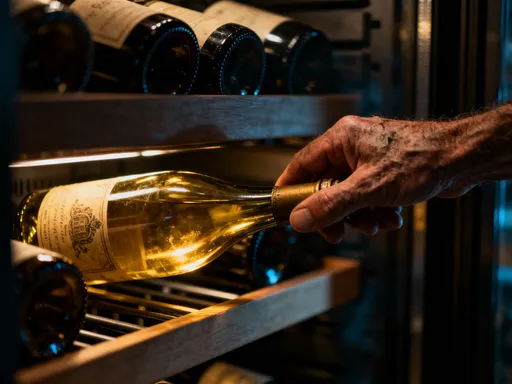
I immediately switched to professional climate-controlled storage facilities, which maintain a constant temperature of around 55°F (13°C), humidity levels between 60% and 70%, and protection from light and vibration. These conditions slow the aging process and prevent premature oxidation, ensuring that the wine evolves gracefully over time. Some facilities even offer insurance, security monitoring, and provenance documentation—features that add credibility when selling. While the cost of professional storage is an ongoing expense, I now view it as essential insurance rather than an optional luxury. It protects not just the physical wine, but the financial return I’ve worked to build. I also ensure that every bottle I acquire comes with a clear ownership history and is stored from the moment of purchase. Gaps in provenance or evidence of poor storage can severely discount a bottle’s value, even if it appears intact.
Another important consideration is location. Some investors store wine in bonded warehouses, particularly in the UK, where duties and taxes are deferred until the wine is removed for consumption. This can be a tax-efficient strategy for long-term holdings. I chose a facility with international reach, allowing me to sell through global auction houses without the complications of shipping or customs delays. Proper storage also simplifies authentication, as reputable facilities maintain detailed records and often partner with verification services. This level of documentation gives buyers confidence, which in turn supports higher sale prices. I’ve seen firsthand how a well-documented storage history can make the difference between a quick sale at market value and a prolonged, discounted listing. In wine investment, condition is everything—and condition starts the moment the bottle leaves the château.
Timing the Market: When to Hold and When to Sell
Unlike dividend-paying stocks or rental properties, wine doesn’t generate income while you hold it. The only way to realize a return is to sell at the right time. This makes timing a critical factor in wine investment. I’ve made my share of mistakes here—holding too long and missing peak prices, or selling too early and leaving gains on the table. Over time, I’ve developed a more disciplined approach, relying on market signals rather than emotion. I track auction results from major houses like Sotheby’s and Christie’s, monitor price trends on platforms like Wine-Searcher, and pay attention to broader economic indicators that influence collector behavior. For example, periods of economic growth often coincide with increased demand for luxury assets, including fine wine. Conversely, market downturns can lead to price corrections, creating buying opportunities but also slowing sales.
One of my most successful exits came after noticing a sustained upward trend in demand for a particular Bordeaux vintage. I had purchased the case several years earlier at a reasonable price, and over time, critical reassessments and strong auction performances indicated growing interest. I waited until multiple indicators aligned—a high-profile tasting reconfirmed its quality, a major collector sold a similar lot at a record price, and inventory levels across key markets were low. That confluence of factors signaled a peak, and I listed the case through an auction house. The final sale price was more than double my initial investment. In contrast, I once held onto a Burgundy that continued to age well but lost momentum in the market due to shifting tastes. By the time I sold, prices had plateaued, and I missed the optimal window. That experience taught me that patience is valuable, but so is vigilance. A wine may still be improving in the bottle, but if demand is waning, its financial value may not follow.
I now use a structured review process, evaluating my holdings annually. I look at recent trading data, critical re-evaluations, and global demand patterns—especially in key markets like China, the US, and the UK. I also consider the wine’s drinking window. Some bottles are best consumed within 10 to 15 years, while others can evolve for decades. Selling near the beginning of the optimal drinking window often yields the highest returns, as collectors seek wines that are ready to enjoy. Once a vintage passes its peak, demand can decline, even if the wine is still drinkable. Timing isn’t about perfection; it’s about making informed decisions based on data, not sentiment. I’ve learned to set target prices and exit conditions in advance, reducing the influence of regret or greed. This disciplined approach has made my returns more predictable and less vulnerable to market noise.
Diversification: Don’t Bet Everything on One Bottle
Putting all your capital into a single wine, no matter how prestigious, is not investing—it’s speculation. I learned this lesson after initially concentrating my portfolio on a single legendary Bordeaux producer. While the investment performed well for several years, I became overly exposed to shifts in that one market segment. When demand softened due to changing preferences and oversupply, my returns stalled. That experience pushed me to adopt a diversified strategy, spreading my investments across regions, styles, and price points. Today, my portfolio includes a mix of high-growth potential wines and more stable, blue-chip bottles. This balance helps smooth out volatility and reduces the impact of any single underperforming asset.
I allocate the majority of my funds to established classics—first-growth Bordeaux, Grand Cru Burgundies, and top-tier Barolos—wines with long histories of appreciation and deep collector bases. These serve as the foundation of my portfolio, providing stability and reliable long-term growth. At the same time, I reserve a smaller portion for emerging producers and underappreciated regions. For example, I’ve invested in select wines from Spain’s Priorat region and California’s Sonoma Coast, where quality has risen significantly but market recognition lags. These allocations carry higher risk, but they also offer the potential for outsized returns if they gain broader acclaim. Diversification doesn’t eliminate risk, but it makes it more manageable. It ensures that even if one segment underperforms, others can compensate.
I also diversify by vintage year and price tier. Rather than buying only the most expensive wines, I include mid-range bottles with strong critical scores and limited production. These often deliver better relative returns, as their appreciation isn’t already priced in. I avoid chasing hype, focusing instead on consistency and fundamentals. This approach has helped me build a resilient portfolio that can weather market fluctuations. Wine is just one part of my overall financial strategy, and I treat it as such. I don’t allocate more than a small percentage of my investable assets to it, ensuring that a downturn in the wine market won’t jeopardize my broader financial goals. Diversification, both within the wine category and across asset classes, is essential for long-term success.
Liquidity and Exit Paths: Turning Corks into Cash
One of the most underestimated aspects of wine investment is liquidity. Unlike stocks, which can be sold instantly through a brokerage, wine requires time, effort, and the right channels to convert into cash. I discovered this when I first tried to sell a bottle through a local wine shop—only to receive a fraction of its estimated market value. The shop needed to make a profit, had limited buyer reach, and couldn’t verify authenticity on its own. That experience led me to explore more effective exit strategies. I began using international auction houses, which offer global exposure, professional authentication, and transparent pricing. While they charge seller fees—typically 10% to 15%—the higher sale prices often justify the cost. I also tested online wine trading platforms, which can offer faster transactions and lower fees, though they may attract fewer high-end buyers.
Building relationships with reputable dealers and auction specialists has been crucial. These professionals understand market nuances, can advise on timing, and help position bottles for maximum visibility. They also handle logistics, documentation, and shipping, reducing the burden on me as the seller. I now ensure that every bottle I purchase is accompanied by proper provenance records and stored in a recognized facility, making the sale process smoother. I’ve learned that buyers pay a premium for confidence—when they can verify a wine’s history and condition, they’re more willing to bid aggressively. I also plan my exits in advance, identifying potential buyers or auction cycles before I even make a purchase. This forward-looking approach has helped me avoid being stuck with valuable but illiquid assets.
Liquidity varies by wine. Blue-chip bottles from top producers tend to sell faster and at higher prices due to strong, consistent demand. Niche or rare wines may take longer to find the right buyer, requiring patience and targeted marketing. I now factor liquidity into my initial investment decision—favoring wines with active secondary markets and broad collector appeal. This doesn’t mean avoiding unique or rare bottles altogether, but rather balancing them with more liquid holdings. By understanding the exit path from the start, I’ve turned what could be a cumbersome process into a reliable source of returns. Selling wine isn’t just about profit—it’s about execution. The right strategy, at the right time, through the right channel, makes all the difference.
Risk Awareness: It’s Not All Fine Wine and Profits
Wine investment is not without risks, and ignoring them can lead to significant losses. I’ve seen counterfeit bottles infiltrate the market, sometimes with near-perfect fakes that fool even experienced collectors. I’ve also witnessed sudden drops in demand for once-popular vintages, driven by changing tastes or economic shifts. Storage failure, poor provenance, and insurance gaps can all undermine value. That’s why I now take a proactive approach to risk management. Every purchase goes through a verification process—checking labels, capsules, fill levels, and documentation. I buy primarily through trusted merchants, auction houses, or direct from estates whenever possible. I also insure my collection against theft, damage, and fraud, ensuring that a single incident doesn’t erase years of gains.
I accept that not every wine I buy will appreciate. Some may hold their value, others may underperform. That’s why I invest only surplus funds—money I can afford to lock up for years without affecting my financial security. I treat wine as a long-term, supplementary asset, not a primary source of wealth. I also stay informed about market developments, regulatory changes, and fraud trends, adjusting my strategy as needed. This cautious, informed approach has helped me avoid major pitfalls and maintain steady, sustainable growth. Wine investment isn’t a shortcut to riches—it’s a disciplined, knowledge-driven strategy that rewards patience, research, and prudence.
Final Pour: Building Wealth, One Bottle at a Time
Wine investment won’t replace a retirement portfolio, but when approached with care, it can enhance it. For me, it’s been a journey of blending passion with practicality, turning a personal interest into a thoughtful financial strategy. I’ve optimized my returns not by chasing trends or relying on luck, but by treating each bottle as a serious asset—researching its potential, protecting its condition, and planning its exit. The process has taught me discipline, deepened my appreciation for craftsmanship, and provided a unique way to diversify my holdings. With the right knowledge, risk management, and long-term perspective, wine can be more than a pleasure—it can be smart finance. This is not about quick wins or speculative bets. It’s about building value, one carefully chosen bottle at a time.