How I Mastered Installment Payments to Build Real Wealth — No Magic, Just Strategy
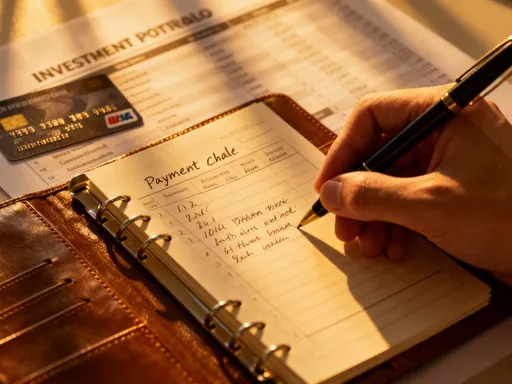
What if your monthly payments could actually help you grow wealth instead of draining it? I used to see installments as just another expense—until I realized they’re a hidden tool for financial control. By shifting how I manage these payments, I improved cash flow, avoided debt traps, and freed up money to invest. This isn’t about cutting lattes; it’s about smarter systems. Let me show you how small changes in handling installments can create lasting financial momentum. It’s not about earning more or waiting for a windfall. It’s about rethinking the way ordinary financial tools are used every day. The truth is, wealth isn’t built through dramatic moves—it’s built through consistent, intelligent decisions that compound quietly over time. And one of the most overlooked levers in that process is the way we handle installment payments.
The Hidden Cost of Mindless Installments
Every time a consumer agrees to an installment plan, a quiet financial shift occurs—one that most people never stop to analyze. On the surface, breaking a $600 purchase into six $100 payments feels manageable, even harmless. But behind that simplicity lies a web of long-term consequences. The real cost of installment plans isn’t just the total price of the item; it’s the erosion of financial agility, the psychological normalization of debt, and the slow accumulation of obligations that constrain future choices. When installments are used without strategy, they become invisible anchors, each one tugging at monthly cash flow and reducing the capacity to respond to real opportunities or emergencies.
Behavioral finance offers insight into why this happens. The human brain is wired to favor immediate rewards over delayed consequences, a tendency known as present bias. Retailers and financial platforms exploit this by framing installment plans as “interest-free” or “easy monthly payments,” effectively lowering the mental barrier to spending. A study by the Federal Reserve Bank of Chicago found that consumers using installment financing were more likely to exceed their intended budgets, particularly when the plans were offered at the point of sale. The convenience masks the commitment. What feels like a neutral financial tool often becomes a gateway to overextension, especially when multiple plans overlap.
I experienced this firsthand. A few years ago, I signed up for three separate installment plans within a single month: a new laptop, a home appliance, and a set of kitchen upgrades. Each was under $300 per month, which seemed reasonable at the time. But when combined with rent, utilities, and groceries, the total outflow created a cash crunch. I wasn’t technically in debt, but I had no breathing room. One missed paycheck would have triggered late fees and stress. The issue wasn’t affordability in isolation—it was the lack of coordination and foresight. That experience taught me that the danger of installments isn’t in any single transaction, but in the cumulative effect of unmanaged commitments.
Another hidden cost is opportunity loss. Every dollar committed to an installment is a dollar that can’t be used elsewhere—whether for saving, investing, or handling unexpected expenses. For example, $150 per month allocated to a non-essential purchase over a year represents $1,800 that could have been earning compound returns in a diversified investment account. Over ten years, that same amount, invested at a modest 6% annual return, would grow to over $24,000. When installments are used carelessly, they don’t just spend money—they spend potential.
Reframing Installments as Financial Leverage
The turning point in my financial journey came when I stopped seeing installments as mere expenses and began treating them as strategic tools. This shift in mindset didn’t require more income or access to complex financial products—it simply required a change in perspective. Just as businesses use financing to preserve working capital and maintain operational flexibility, individuals can use installment plans to optimize their personal cash flow. The key is intentionality. When used with discipline, installments can act as a form of short-term leverage, allowing money to stay in higher-value uses longer.
Consider a practical example: I needed a new refrigerator, priced at $1,200. The store offered a 12-month, no-interest installment plan. Instead of paying upfront, I opted for the installment option, keeping the $1,200 in a high-yield savings account earning 4.5% annually. Over the course of the year, that money generated approximately $54 in interest—free money earned simply by timing the payment. More importantly, I retained liquidity. If an emergency had arisen, the funds were accessible. By treating the installment as a deliberate financial decision rather than a default spending method, I turned a routine purchase into a small but meaningful wealth-building move.
This approach works best when two conditions are met: the installment must be truly interest-free, and the consumer must have the discipline to keep the equivalent amount saved or invested during the payment period. If either condition fails, the strategy collapses. For instance, if the plan includes deferred interest or hidden fees, or if the money is spent elsewhere, the benefit disappears. But when executed properly, this method transforms installments from passive obligations into active financial tools.
The concept extends beyond appliances. I’ve applied the same logic to larger purchases like furniture, tools, and even professional development courses. Each time, I evaluate whether the item provides lasting utility, whether the financing terms are favorable, and whether I can maintain financial discipline throughout the payment period. This isn’t about avoiding payments—it’s about optimizing them. Just as a skilled carpenter chooses the right tool for the job, a financially savvy individual selects the right payment method for the purchase. Installments, when used strategically, become a form of financial fine-tuning, allowing for better allocation of resources over time.
The Cash Flow Filter: What to Buy and What to Skip
Not every purchase deserves to be financed, even if the terms seem attractive. I learned this through trial and error, particularly after financing a high-end blender I used only twice in six months. The monthly payments continued regardless of usage, and the sense of waste was palpable. That experience led me to develop a simple but effective decision filter for installment purchases: necessity, usage frequency, and depreciation speed. Each of these criteria acts as a checkpoint, ensuring that only high-value, high-utility items qualify for financing.
Necessity is the first filter. Is the item essential to daily life, health, or productivity? A reliable laptop for work passes this test; a designer handbag likely does not. This doesn’t mean luxury is forbidden, but it should be approached with full awareness of trade-offs. The second filter is usage frequency. Will I use this item regularly, or is it a one-time novelty? A pressure cooker I use three times a week justifies financing; a specialty coffee machine I might use once a month does not. High-frequency use increases the return on investment, making financing more defensible.
The third and often overlooked filter is depreciation speed. Some items lose value rapidly the moment they’re purchased. Electronics, fashion, and certain appliances fall into this category. Financing fast-depreciating items is particularly risky because you’re committing to payments for something that’s already worth less. In contrast, items that retain value or contribute to long-term goals—such as energy-efficient windows, home office equipment, or professional certifications—represent better candidates for installment plans. They may even increase net worth or reduce future expenses.
Applying this filter consistently requires emotional discipline. Retail environments are designed to trigger impulse decisions, especially when “buy now, pay later” options are prominently displayed. I’ve found it helpful to impose a 48-hour waiting period before agreeing to any installment plan. During that time, I write down how the item scores on each of the three filters. If it fails any one, I walk away. This practice has not only saved money but also reduced post-purchase regret. It transforms financing from a reactive habit into a deliberate choice, aligning spending with long-term values rather than momentary desires.
Timing Is Everything: Syncing Payments with Income
One of the most underappreciated aspects of installment management is timing. A well-chosen purchase can still create financial strain if the payment schedule misaligns with income flow. I used to receive my paycheck on the first of the month, yet my installment due dates were scattered across the second and third weeks. By the time rent, utilities, and groceries were paid, the remaining balance was too thin to handle additional obligations. The result was constant stress and a sense of being one step behind. The solution wasn’t earning more—it was rescheduling.
Most people don’t realize that due dates are often negotiable. With a quick call or message to the lender or payment platform, I was able to shift multiple installment due dates to the beginning of the month, right after my paycheck arrived. This simple change transformed my cash flow. Instead of juggling payments in a cash-poor period, I now handle them when funds are most available. The psychological relief was immediate. I no longer dreaded certain days of the month, and my ability to plan ahead improved significantly.
Beyond due date adjustments, I also began bundling lower-priority payments into a single monthly transfer. For example, instead of paying $50 on three separate dates, I now group them into one $150 transaction on my payday. This reduces mental clutter and minimizes the risk of missed payments. Additionally, I take advantage of grace periods when available. Some platforms offer a few extra days before late fees apply, and I use that window strategically—only when necessary and never as a habit. The goal is not to stretch obligations indefinitely, but to create a payment rhythm that matches my financial reality.
This approach also extends to larger financial planning. When I know a big purchase is coming, I time it to coincide with a bonus, tax refund, or seasonal income boost. For instance, I scheduled a furniture installment plan to start in February, right after receiving my tax refund, ensuring that the first few payments were covered without strain. By treating payment timing as a variable rather than a fixed constraint, I’ve turned a source of stress into a tool for greater control.
Building a Buffer: Why Flexibility Beats Perfection
No financial plan survives contact with reality unchanged. Life is unpredictable—car repairs, medical bills, job transitions, and family needs can disrupt even the most carefully crafted budget. When you’re locked into rigid installment agreements, a single unexpected expense can trigger a cascade of late fees, credit damage, and emotional distress. I used to aim for a “perfect” budget, where every dollar was assigned and every payment was on time. But perfection is fragile. What I’ve learned is that resilience matters more than precision.
Now, I build a liquidity buffer specifically designed to handle payment fluctuations. This isn’t a long-term investment or a retirement account—it’s accessible cash, held in a high-yield savings account, reserved for short-term financial flexibility. The size of the buffer depends on individual circumstances, but a common rule of thumb is to keep enough to cover one to two months of essential expenses, including installment payments. For me, that’s about $2,500. It’s not meant to be spent on wants; it’s a safety net for when life doesn’t go according to plan.
The presence of this buffer changes the way I approach installments. Knowing I have room to absorb a temporary income dip allows me to choose longer payment terms when beneficial, without fear of falling behind. If I need to pause or adjust a payment, I can do so without panic. This doesn’t mean I avoid responsibility—it means I plan for uncertainty. Financial confidence comes not from never facing problems, but from knowing you can handle them.
Moreover, the buffer reduces the psychological burden of money management. When every dollar feels critical, financial decisions become stressful and reactive. With a cushion in place, I can make choices from a position of strength rather than scarcity. This mental shift has had a ripple effect, improving my sleep, reducing anxiety, and even enhancing my ability to save and invest. Flexibility, it turns out, is not the enemy of discipline—it’s its foundation.
Turning Saved Cash into Wealth-Building Fuel
The ultimate goal of smarter installment management isn’t just to avoid debt or reduce stress—it’s to free up cash for wealth creation. Every dollar saved through disciplined financing choices is a dollar that can be redirected toward long-term financial goals. I now automatically transfer the amount I would have spent on unnecessary or poorly timed installments into two destinations: a low-cost index fund and an emergency reserve. The index fund provides exposure to broad market growth, while the emergency fund reinforces the buffer discussed earlier. Together, they form the backbone of my wealth-building strategy.
To illustrate the power of this approach, consider two hypothetical scenarios. In the first, a person uses installment plans freely, financing multiple non-essential items with interest-bearing terms. Over five years, they pay $3,000 in interest and miss out on investment gains. In the second scenario, the same person applies the filters and timing strategies outlined here, minimizing interest and redirecting $200 per month into an index fund. Assuming a 7% annual return, that $200 monthly contribution grows to over $14,000 in five years—and continues to compound thereafter. The difference isn’t due to higher income; it’s due to better financial behavior.
What makes this strategy powerful is its scalability. You don’t need to save large amounts to see results. Even $50 per month, invested consistently, can grow to over $35,000 in 30 years at a 7% return. The key is consistency and compounding. By treating saved cash as seed money for future growth, every smart installment decision becomes a small but meaningful investment in financial independence.
This isn’t about deprivation. It’s about redirection. I still make purchases; I still use installments. But now, each decision is made with awareness of its long-term impact. The money I don’t waste on avoidable interest or impulsive financing isn’t lost—it’s repurposed. It becomes retirement savings, education funds, home equity, or simply the peace of mind that comes from knowing I’m building something lasting.
The Long Game: From Payment Management to Financial Confidence
Mastering installment payments is not an end in itself—it’s a gateway to broader financial confidence. Every time I apply the cash flow filter, adjust a due date, or redirect saved money into investments, I reinforce a mindset of control and intentionality. These small acts accumulate, shaping not just my bank account, but my relationship with money. Over time, the discipline required to manage installments well spills over into other areas: budgeting becomes easier, saving feels natural, and long-term planning becomes second nature.
Financial confidence isn’t built in a single moment. It’s the result of repeated, positive experiences—of saying no to a bad deal and feeling proud, of adjusting a payment and avoiding stress, of watching investments grow from consistent contributions. These moments build a quiet but unshakable belief: I am in charge of my financial life. That belief is more valuable than any single investment return because it empowers every future decision.
The journey from financial stress to financial confidence doesn’t require extraordinary intelligence or luck. It requires awareness, consistency, and a willingness to treat everyday financial tools with respect. Installments, often seen as a convenience or a trap, can become a lever for growth when used with purpose. The strategies outlined here—filtering purchases, aligning payments with income, building buffers, and redirecting savings—are not secrets. They are accessible to anyone willing to apply them with discipline.
Wealth is not a destination; it’s a process. And the process begins not with a windfall, but with the way we handle the ordinary. By mastering the small decisions—the ones most people overlook—we lay the foundation for lasting financial security. The power to build real wealth isn’t hidden in complex algorithms or exclusive markets. It’s in the way we choose to pay for what we buy, one thoughtful decision at a time.