It’s Not Just About Favors: How a Simple App Helped Our Neighborhood Breathe Easier
You know that feeling when you need help—just a small thing, like borrowing sugar or someone to watch your dog—and you hesitate to ask? I did too, until I joined our neighborhood mutual aid app. What started as a digital bulletin board quietly transformed into something deeper: real connections, shared trust, and everyday support that made life just a little lighter. This isn’t about tech hype—it’s about how one simple tool helped us rediscover community, one small act at a time. It didn’t change the world, but it changed ours.
The Day I Finally Asked for Help (And Actually Got It)
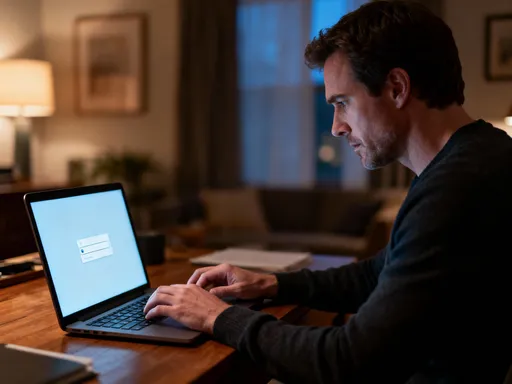
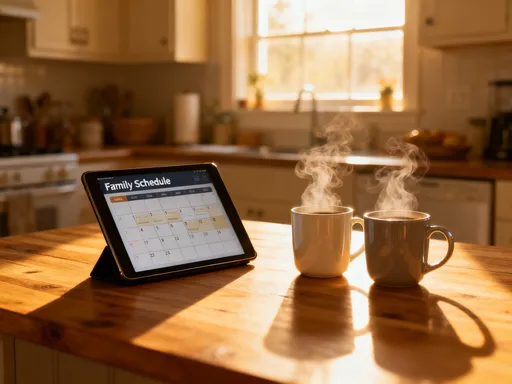
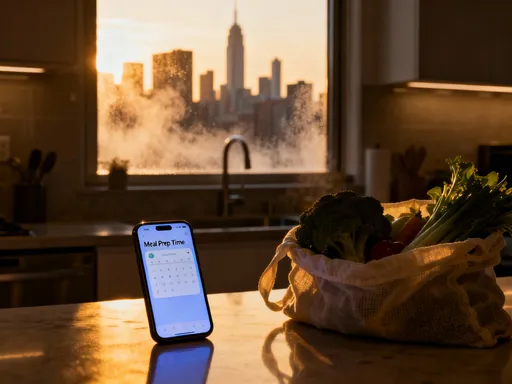
It was a Tuesday morning, and my kitchen sink had turned into a science experiment. Water pooled in the bottom, refusing to drain no matter how many times I plunged it. I stood there in my slippers, coffee in one hand, phone in the other, wondering who on earth I could call. I’d lived in the neighborhood for eight months, but I barely knew my next-door neighbor’s name. Back in my old town, I’d have texted my sister or called Mrs. Delaney from across the street. But here? I felt like an island.
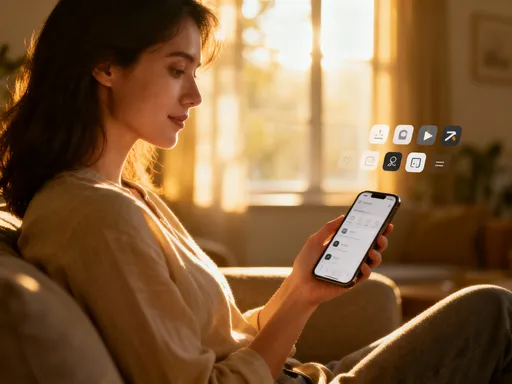
That’s when I remembered the app. A friend had mentioned it at a school pickup—something called Nextdoor, but not the noisy version full of crime alerts and political rants. Ours was the quiet, cared-for version, where people actually responded. I took a breath and typed: ‘Drain backed up—anyone know a reliable plumber or have a snake I can borrow?’ I hit post and immediately regretted it. Was I being too much? Would people think I was lazy or dramatic?
Within ten minutes, three replies popped up. One neighbor offered her drain snake and said she’d drop it off in five minutes. Another recommended a plumber who’d fixed her basement. A third sent a photo of a homemade baking soda and vinegar trick that ‘actually works.’ I was stunned. This wasn’t just help—it was kindness, delivered fast and without judgment. When Maria from number 42 knocked on my door with the snake and a thermos of tea, I almost cried. It wasn’t just about the sink. It was about not being alone.
That moment cracked something open. I realized how much I’d been holding in—how many small struggles I’d treated like personal failures instead of normal parts of life. The app didn’t fix everything, but it gave me permission to ask. And more importantly, it gave others permission to offer. The interface was simple: no likes, no followers, just a clean space to say, ‘I need’ or ‘I can give.’ There was no performance, no pressure. Just people, trying to help each other out.
From Random Acts to Real Rhythm: Building Daily Trust
After the sink incident, I started paying attention. I noticed how often people posted about extra zucchini from their garden, or offered rides to the pharmacy, or asked if anyone wanted leftover pizza from a party. At first, I thought of these as isolated moments—nice, but not life-changing. But over time, a pattern emerged. These weren’t random acts of kindness. They were the threads of something bigger.
Take Mrs. Lang, who’s in her seventies and grows the most beautiful heirloom tomatoes. Every summer, she posts: ‘Too many tomatoes—anyone want some?’ At first, a few people would respond. Now? Her porch is lined with containers every Thursday morning, and neighbors stop by like it’s a farmers’ market with hugs. But it’s not just about the tomatoes. It’s that we know she checks in. If she doesn’t post, someone texts her to make sure she’s okay.
Or think about the school run. Three of us started coordinating carpools through the app, and now we rotate every week. It’s not just about saving gas—it’s about the 20 minutes of quiet conversation while the kids do homework in the backseat. We’ve talked about everything: aging parents, job stress, the weird joy of folding laundry. These aren’t deep friendships yet, but they’re real. And they’re built on something practical—something that started with a simple post.
What surprised me most was how predictable it became. I began to notice who always responded to pet-sitting requests, who had tools, who baked bread on Sundays. The app didn’t create trust—it revealed it. By making small exchanges visible, it let us see who we could count on. And when you know your neighbor will water your plants while you’re away, or pick up your prescription if you’re sick, it changes how you move through the world. You walk a little taller. You breathe a little easier.
How the App Became Our Neighborhood’s Quiet Nervous System
Then came the ice storm last winter. Power went out for 36 hours, and the roads were too dangerous to drive. I had two kids, a fridge full of melting food, and no generator. I was panicking—until I opened the app. Someone had already started a thread: ‘Power out? Let us know where you are.’ Within an hour, a map of outages was forming. People with generators offered to share outlets. One family opened their home as a warming center. Another delivered hot soup door to door.
It wasn’t chaos. It was coordination. The app became our central hub—like a group text with purpose. When Mrs. Lang texted that her heater wasn’t working, three people responded within minutes. When someone mentioned their insulin needed refrigeration, we found a solution fast: a neighbor with power let them store it in her fridge. No heroics. No drama. Just people, paying attention.
And it wasn’t just emergencies. When little Ben from down the street went missing for 20 minutes, his mom posted a quick alert. Within five minutes, six neighbors were outside, flashlights in hand. He was found at the park, perfectly fine, but the speed of the response was something else. It wasn’t the police who found him first—it was us.
The app didn’t replace 911 or city services. But it filled the gaps—the moments between, when you don’t need an ambulance but you do need someone to bring soup or watch your dog during a crisis. It turned our neighborhood into a network of care, always on, always ready. And the best part? No one had to sign up for it. It just grew, one post at a time.
The Unexpected Side Effect: We Started Talking Again
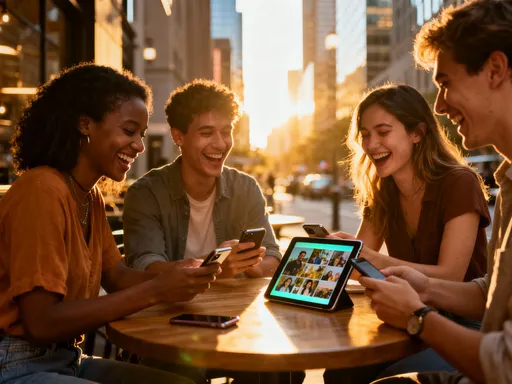
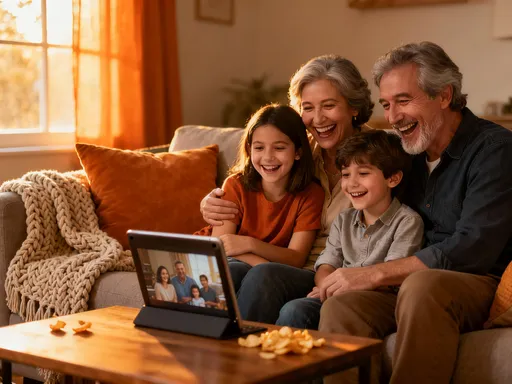
Here’s what I didn’t expect: the app brought us outside. I started seeing people on their porches, waving, chatting. Conversations that began with ‘Can I borrow a cup of flour?’ turned into long talks over the fence. Kids who met through parent posts started playing together after school. We even formed a walking group—four of us, every Saturday morning, rain or shine.
One Saturday, we organized a cleanup day. Someone posted: ‘Want to spruce up the park?’ I showed up with gloves and a trash bag, expecting maybe three people. Twenty showed up. We pulled weeds, painted the benches, planted flowers. A few brought coffee and donuts. It felt like a block party with purpose. And it all started with one message.
What’s amazing is how the digital space led to real connection. We weren’t glued to our phones—we were using them to get off our phones. The app didn’t replace human contact. It rebuilt the bridge to it. We weren’t just neighbors with screens. We were people who knew each other’s names, who remembered each other’s stories, who showed up.
And it wasn’t just the big events. It was the small things: the wave from across the street, the ‘How’s your mom?’ after her surgery, the kid who now calls my dog by name. These aren’t tracked by the app, but they’re the real outcome. Technology didn’t create community. But it gave us a way to find it again.
Making It Work: How We Keep the Momentum Going
Now, I’ll be honest—not every neighborhood will have the same experience. Ours worked because we set some quiet rules, not as restrictions, but as care. First, we agreed to use kind language. No demands, no guilt trips. Just ‘I need’ or ‘I can help.’ We learned to say ‘No worries if not’ at the end of requests. That small phrase made all the difference—it kept the door open without pressure.
We also appointed two volunteers as gentle moderators. They don’t police—just nudge. If a post feels too intense or urgent, they might suggest a phone call instead. If someone’s posting too much, they check in: ‘Everything okay?’ It’s not about control. It’s about care.
Another key? We don’t expect perfection. Some weeks, the app is quiet. That’s okay. We learned to celebrate small wins. One family started a ‘Thank You Thursday’ thread, where people share who helped them that week. It’s simple, but it keeps the gratitude visible.
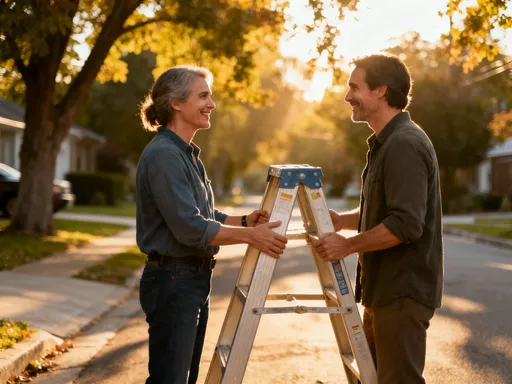
We also created subgroups—not for drama, but for connection. A gardening group swaps seeds and tips. A book club meets monthly. A ‘New to the Neighborhood’ thread helps recent arrivals feel seen. These aren’t mandatory, but they give people a way in. And for those worried about time, we keep it light. Most favors take five to ten minutes. Borrowing a ladder. Watching a dog. Sharing extra cookies. It’s not about grand sacrifice. It’s about small, steady presence.
When Tech Meets Heart: The Quiet Power of Coordinated Care
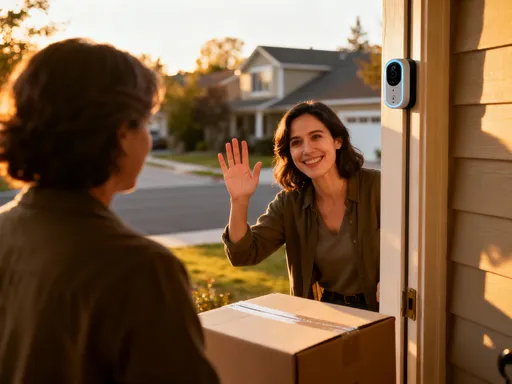
What I’ve come to realize is that this isn’t really about the app. It’s about what the app made possible. It’s about the peace that comes from knowing someone notices. Last month, I was sick with the flu. I didn’t post—didn’t want to burden anyone. But my neighbor saw my trash cans still on the curb on Wednesday morning. She texted: ‘You okay? Want me to take those in?’
That moment got me. It wasn’t about the cans. It was about being seen. In a world that often feels rushed and disconnected, someone noticed. And that changed everything. This kind of care doesn’t require big gestures. It’s in the small, consistent acts—the ride to the doctor, the extra loaf of bread, the text that says, ‘Saw your light on late. Everything alright?’
These moments build emotional safety. They tell us we belong. They remind us that dignity isn’t about doing everything ourselves—it’s about being part of something. The app didn’t create this. But it gave us a way to practice it, to make it visible, to let it grow. It turned invisible labor—remembering, noticing, showing up—into something shared.
And for women, especially, this matters. So much of what we do goes unseen—the planning, the worrying, the holding it all together. This network doesn’t replace that. But it lightens it. It says: you don’t have to carry it all. And that? That’s revolutionary.
More Than an App: It’s How We Choose to Live Now
I used to think convenience meant doing everything fast, alone, without asking. Now I know better. Real ease isn’t about speed. It’s about connection. It’s about walking into the grocery store and having someone wave because they borrowed your lawnmower last week. It’s about knowing your kids are safe because the whole block is paying attention.
The app didn’t change my life overnight. But it gave me a way to live differently. Not with more stuff, not with more time, but with more trust. It reminded me that community isn’t something you find—it’s something you build, one small act at a time. And sometimes, it just takes one post to start.
So if you’re hesitating to ask for help, I get it. I was there too. But what if you tried? What if you typed that message, took that breath, and hit send? You might just find that someone’s already waiting to say: ‘I’ve got you.’
Because that’s what we’ve learned. It’s not about favors. It’s about belonging. It’s not about technology. It’s about humanity. And it’s right here, in our pockets, in our homes, in our streets—waiting to be noticed, to be shared, to be lived.