What if Your Car Could Help You Make New Friends?
Imagine getting a simple alert that your oil is due—nothing unusual there. But what if that reminder didn’t just keep your car running smoothly, but also led you to coffee with a neighbor, a weekend road trip with new friends, or deeper conversations with people who love driving as much as you do? Technology isn’t just about efficiency—it’s about connection. And sometimes, the most meaningful relationships start where you least expect them: in your driveway. That little notification on your phone? It might be doing more than protecting your engine. It could be quietly opening the door to friendship, community, and a richer daily life.
The Moment It Clicked: A Routine Alert That Sparked a Conversation
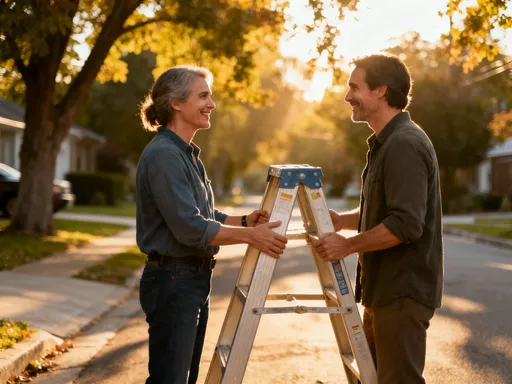
I remember standing in my driveway one Tuesday morning, coffee in hand, staring at my phone. The screen lit up with a message: 'Oil Change Recommended—Service Due in 500 Miles.' I sighed. Another chore. Another thing to squeeze into an already full week. But before I could tuck the phone into my pocket, my neighbor Linda walked by with her dog, paused, and said, 'Oh, did your car just tell you that too?' I looked up, surprised. 'Too?' She laughed and pulled out her phone—same message, same time. We stood there, two women in sweatshirts, talking not about oil levels or engine codes, but about how we both kept forgetting to schedule service, how we hated waiting at the garage, and how nice it would be to just go together. That five-minute chat turned into a coffee date. And that coffee date? It turned into a friendship.
What struck me wasn’t just the coincidence—it was how something so technical, so routine, could feel so human. I’d always seen maintenance reminders as cold, robotic nudges. But in that moment, it became a bridge. It gave us a reason to talk, a shared experience, a starting point. Without that alert, we might have just nodded politely, as we had for years. But technology created a tiny opening—and we stepped through it. It wasn’t the car that connected us. It was the moment the technology gave us permission to pause, to notice each other, and to say, 'Hey, I’m going through that too.'
From Isolation to Community: How Car Care Became a Social Gateway
Let’s be honest—many of us live near people we barely know. We see the same faces at the mailbox, in the parking lot, or walking dogs in the evening. We recognize cars, routines, even favorite jackets. But names? Conversations? Those are rarer. And that quiet distance can feel heavier than we admit. Loneliness isn’t always about being alone—it’s about feeling unseen, disconnected, even in a neighborhood full of people. I’ve talked to so many women my age—mothers, professionals, retirees—who say the same thing: 'I wave, but I don’t really know anyone.'
But here’s the thing: almost everyone has a car. And almost every car needs care. That shared reality—oil changes, tire rotations, battery checks—is something we all go through, whether we love driving or just tolerate it. And when technology sends us reminders at similar times, it creates a kind of invisible rhythm. Suddenly, dozens of people in one neighborhood are thinking about the same practical thing at the same time. That’s not just convenience. That’s common ground.
I started paying attention after my talk with Linda. I noticed more people leaving with their cars on certain days. I saw notes in our neighborhood app: 'Anyone know a good mechanic?' 'Need a jump—dead battery!' Instead of just scrolling past, I began replying. And slowly, a pattern emerged. People weren’t just asking for help—they were connecting. One woman started a car-pool list for service days. Another organized a group discount with a local shop. What began as individual tasks became shared experiences. The car, once a symbol of independence, quietly became a thread tying people together.
The Hidden Social Design in Everyday Technology
We don’t usually think of car maintenance alerts as social tools. We see them as functional—little digital Post-its from our vehicles. But if you look closer, they’re doing something deeper. They’re creating pauses in our day. Moments when we stop, check our phones, and make a decision: ignore it, schedule it, or act on it. That pause is powerful. It’s a tiny window of attention in an otherwise busy life. And when multiple people experience that pause at the same time, something subtle shifts.
Technology doesn’t connect us directly. It doesn’t have a 'find car friends' button. But it structures time in a way that makes connection easier. Think about it: birthdays, holidays, and school schedules all bring people together because they create shared timing. Car maintenance reminders are becoming a new kind of rhythm—quiet, practical, but surprisingly effective. They don’t replace deep conversations or long-standing friendships. But they create the conditions for them to grow. They give us a reason to reach out. A topic that’s neutral, non-threatening, and universally understood. 'My car says I need new tires—yours too?' That’s not small talk. That’s an invitation.
And the best part? This isn’t limited to one neighborhood or one brand of car. As more vehicles come with built-in connectivity, these moments are becoming more common. A family in Ohio gets a tire pressure alert. A single mom in Oregon sees a brake inspection reminder. A retiree in Florida gets a battery check notice. These aren’t isolated events. They’re part of a growing pattern—technology creating subtle, repeated opportunities for human connection. We just have to notice them.
Building Real Bonds, One Service Interval at a Time
Friendships don’t usually start with grand gestures. They grow from small, repeated moments. A smile. A wave. A shared laugh over a flat tire. And when those moments happen around something practical—like car care—they feel safe, grounded, and real. I’ve seen this unfold in my own community. What began as a few text messages about oil changes turned into a group of six women who now meet every three months—coinciding with our cars’ service schedules.
We call it 'Maintenance & Mimosas'—half-joking, half-serious. We drop our cars at the shop, then grab brunch nearby. We talk about everything: kids, work, aging parents, dreams we’ve put on hold. But it always starts with the cars. 'How’s your battery holding up?' 'Did you switch to all-season tires yet?' Those questions open the door. The real conversations follow. And because we meet regularly—tied to our vehicles’ needs—the friendship has rhythm. We don’t have to remember to stay in touch. Life does it for us.
Other groups have formed too. A few dads started a weekend driving club, testing different routes and sharing fuel-saving tips. A group of retirees organized a 'Senior Safety Check' day, where they help each other inspect lights, fluids, and wipers. These aren’t formal clubs with bylaws or dues. They’re organic, practical, and deeply human. And they exist because technology gave people a reason to come together—first for their cars, then for each other.
Turning Practicality Into Shared Meaning
There’s something beautiful about doing practical things with other people. A task that feels like a burden alone can become meaningful when shared. Folding laundry with a friend. Cooking dinner while chatting. And yes, even getting your car serviced. When we turn routine care into a shared ritual, it changes. It’s no longer just about maintenance. It’s about showing up for each other. It’s about saying, 'I see you. I’m here too.'
I’ll never forget the day my car battery died in the grocery store parking lot. I was frustrated, late for a meeting, and trying not to cry. I sent a quick message to our Maintenance & Mimosas group: 'Battery dead—anyone nearby?' Within ten minutes, Sarah pulled up with jumper cables. She didn’t just help me start the car. She stayed, made me laugh, and insisted I take her parking spot. That moment wasn’t about the battery. It was about care. And it happened because we’d built trust through small, repeated interactions—oil changes, tire rotations, coffee after service appointments.
Technology made it possible by aligning our timing. But the warmth, the empathy, the real support—that came from us. The car was the excuse. The friendship was the gift. And now, when I get a maintenance alert, I don’t just think about my vehicle. I think about the people who’ve shown up for me—and the chance to show up for someone else.
How to Make the Most of These Tech-Driven Moments
So how can you turn your next car reminder into a connection? It starts with awareness. The next time you get a service alert, pause for a moment. Don’t just schedule the appointment—think about who else might be getting the same message. Do you have neighbors with the same car model? Friends in your community group who talk about maintenance? Even a coworker who mentions their car acting up?
Try this: the next time you reply to a reminder, add a simple message to someone nearby. 'Hey, my car just told me I need new tires—yours too?' Or post in your neighborhood app: 'Anyone else getting oil change reminders this week? Want to go together?' You’d be surprised how many people are waiting for that exact invitation. If your car brand has a connected app or owner’s forum, join it. Many have local groups where people share tips, recommend mechanics, or organize meetups. I’ve met some of my closest friends in those spaces—women who care about their families, their time, and their peace of mind.
You can also create your own rhythm. Start a tradition: coffee after every service, a group text for roadside help, or a yearly 'car care day' where you and a few friends check fluids, clean interiors, and share lunch. The key is intentionality. Technology gives you the moment. You bring the connection. And over time, those small choices add up to something beautiful—a network of support, built not on grand plans, but on shared, practical life.
The Bigger Picture: Technology That Serves Life, Not Just Efficiency
We often think of technology as something that speeds things up—faster communication, quicker answers, instant results. But what if its real power isn’t in making us more efficient, but in making us more human? What if the best tech doesn’t save us time, but gives us back connection? That’s what’s happening with these quiet, everyday tools—like car maintenance reminders. They’re not flashy. They don’t go viral. But they’re changing how we live, one small moment at a time.
When we use technology to support not just our cars, but our relationships, we’re redefining what it means to be 'smart.' A smart home isn’t just one with voice-controlled lights. It’s one where you feel supported, seen, and connected. A smart life isn’t one with zero chores. It’s one where even the chores bring meaning. And a smart community? That’s one where people look out for each other—not because they have to, but because they’ve found easy, natural ways to stay in touch.
The future of technology shouldn’t just be about what it can do. It should be about how it makes us feel. Calmer. Closer. More in control. And when a simple alert can lead to laughter over coffee, a helping hand in a parking lot, or a friendship that carries you through tough days, then we know we’re on the right path. Technology at its best doesn’t replace human connection. It quietly makes space for it to grow—right where we live, right in our driveways, one oil change at a time.