Tested 7 Smart Kitchen Gadgets for 6 Months: The One That Finally Made Healthy Eating Effortless
Remember how we all promised to eat healthier this year? I did too—until meal prep fatigue hit. Sound familiar? I tested seven smart kitchen devices over half a year, not for tech bragging rights, but to solve real-life chaos: picky eaters, tight schedules, and the never-ending question, “What should we eat?” One gadget quietly changed everything. It didn’t just organize meals—it reshaped how my family thinks about food. Let me tell you which one truly delivers on the promise of healthy, stress-free living.
The Breaking Point: When Good Intentions Meet Kitchen Chaos
It was a Wednesday evening, just like any other. I walked in the door after a long day at work, my bag heavy with unfinished tasks and my mind already racing through the to-do list waiting at home. My daughter called from the couch, “Mom, I’m starving!” My son followed, “Can we get pizza again?” I opened the fridge hoping for inspiration, but all I saw were leftovers from two nights ago, a sad-looking bell pepper, and a container of yogurt about to expire. The pantry wasn’t much better—half-used bags of rice, a forgotten box of quinoa, and three different kinds of pasta no one remembered buying.
I stood there, tired and defeated, knowing I’d promised myself this week would be different. I’d start cooking fresh meals again. I’d stick to our meal plan. But in that moment, the easiest choice won. I grabbed my phone, opened the delivery app, and ordered pizza—again. It wasn’t the food I wanted for my family, but it was what I could manage. That night wasn’t unique. It was the same story repeated week after week: good intentions drowned in the reality of a busy household.
And I know I’m not alone. So many of us want to eat better, to feed our families real, nourishing food. But the effort it takes—planning, shopping, prepping, cooking, cleaning—can feel overwhelming. The guilt builds when we fall short. We wonder, “Why can’t I get it together?” But here’s what I’ve learned: it’s not about willpower. It’s about support. We don’t need more motivation—we need tools that actually work with our lives, not against them.
Why Most Smart Kitchen Devices Don’t Deliver on Health Goals
Determined to find a better way, I started exploring smart kitchen gadgets. I thought, “Maybe technology can do the heavy lifting for me.” I brought home seven different devices over six months—everything from Wi-Fi-connected ovens to voice-activated blenders, smart scales, recipe projectors, and even a fridge with a built-in camera. Each one came with big promises: faster cooking, smarter decisions, healthier meals. But after the initial excitement wore off, most of them ended up collecting dust on my counter or tucked away in a cabinet.
The smart oven, for example, could preheat with an app and suggest recipes based on what I typed in. But it didn’t know I had chicken in the freezer or that my daughter refuses to eat anything green. The voice-controlled blender promised smoothie ideas tailored to my goals, but it didn’t adjust when I ran out of spinach or when my son said, “Not kale again!” These devices were impressive in theory, but they operated in isolation. They didn’t talk to each other. They didn’t learn. And most importantly, they didn’t understand my real life.
What I realized is that convenience isn’t the same as support. Just because a gadget lets you cook faster doesn’t mean it helps you eat better. Many smart kitchen tools are designed for people who already have time, energy, and clear routines. But for those of us juggling work, kids, and household chaos, we need more than flashy features—we need something that adapts to us. I wanted a system that didn’t just respond to commands but anticipated needs, remembered preferences, and helped me make decisions without thinking.
That’s when I discovered the one device that actually made a difference—not because it cooked for me, but because it helped me think clearly in the middle of the storm.
The Game-Changer: How a Smart Pantry System Learned My Family’s Rhythms
The turning point came when I installed a smart pantry system—a set of wireless shelf sensors paired with a mobile app and AI-powered meal planner. At first glance, it looked simple: small, flat sensors that stick to the bottom of shelves, a handheld scanner, and an app that syncs with my phone. But what made it different was how it worked over time. Instead of just tracking inventory, it started to learn.
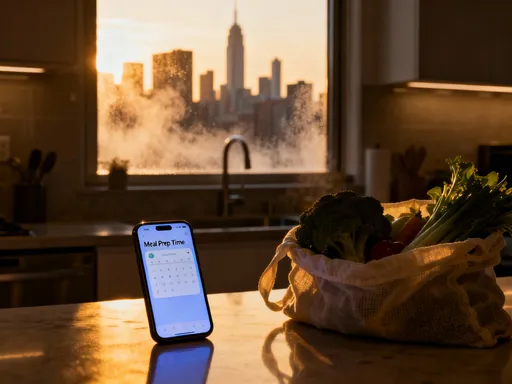
Every time I came home from grocery shopping, I scanned each item as I put it away. The app automatically logged it, noted the expiration date, and stored it in a digital pantry. No more guessing what we had or digging through cabinets to find canned beans. But the real magic happened in the days that followed. The system began to notice patterns. It saw that I bought Greek yogurt every Tuesday. It remembered that I used olive oil most on Sundays, probably for roasting vegetables. It even picked up on what we didn’t eat—like the lentils that sat untouched for three weeks.
More importantly, it adapted to my family’s quirks. My daughter doesn’t like onions. The system learned that after I manually flagged a few recipes as “not kid-approved.” My husband lifts weights and needs more protein on workout days. I added that preference in the settings, and suddenly, the app started suggesting grilled salmon or tofu stir-fry on his gym nights. It wasn’t just tracking food—it was understanding us.
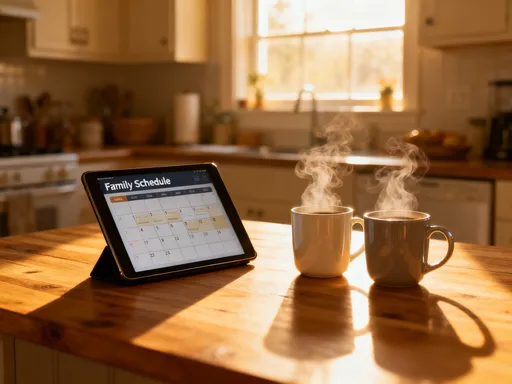
I remember the first time it truly surprised me. On a hectic Thursday, I opened the app and saw a notification: “Use the cherry tomatoes and spinach before Saturday—they’re nearing expiration. Try the 15-minute pasta primavera you liked in March?” I clicked the recipe, and within minutes, I had a shopping list for the missing ingredients and step-by-step instructions on my tablet in the kitchen. For the first time in months, dinner felt easy. Not because I had more time, but because the system did the mental work for me.
From Data to Dinner: How Knowledge Management Transforms Daily Choices
What I didn’t expect was how much mental energy I was wasting just deciding what to cook. It wasn’t the cooking itself—it was the constant decision-making. What do we have? What’s about to go bad? Who likes what? What’s fast but still healthy? These small questions add up, especially when you’re already tired. The smart pantry didn’t eliminate cooking, but it eliminated the noise around it.
The system turned raw information—expiration dates, past meals, dietary preferences—into smart, personalized suggestions. Instead of staring into the fridge with a blank mind, I got gentle nudges: “You have chicken, sweet potatoes, and broccoli—try the sheet pan dinner from last month?” or “No eggs left—here are three breakfast ideas without them.” It didn’t force me into rigid meal plans. Instead, it offered flexible options based on real-time inventory and our habits.
Over time, I noticed a shift. Healthy eating stopped feeling like a chore. I wasn’t fighting myself to make better choices—those choices were now the easiest ones. The system made it simple to use what we had, avoid waste, and keep meals balanced. I started cooking more vegetables not because I was forcing myself, but because the app reminded me I had fresh carrots and suggested a quick stir-fry I hadn’t thought of.
And here’s the thing: it didn’t just help me. My kids started getting involved too. My daughter loves scanning groceries with the handheld reader, like it’s a game. My son checks the app to see what’s for dinner and even asks, “Can we use the black beans tonight?” That kind of engagement would’ve been unthinkable before. Now, mealtime feels like a team effort instead of a one-woman show.
Real-Life Wins: Less Stress, Fewer Takeouts, More Family Time
The results were clearer than I ever imagined. Within three months, we cut our takeout orders by 70%. That’s not just money saved—it’s more home-cooked meals, fewer greasy containers, and more time together. I tracked our food waste using the app’s monthly reports, and we were throwing away 40% less than before. That number matters, not just for our budget, but for the planet.
But the biggest change wasn’t on paper—it was in our home. Dinner used to be stressful. Now, it’s something we look forward to. I’m not rushing around at 6 p.m., panicking over what to cook. I’m not snapping at the kids because I’m overwhelmed. Instead, I’m present. We talk. We laugh. Sometimes, we even eat at the table without phones.
I’ll never forget the night my daughter asked, “Can we try that rainbow bowl again?” It was a salad with quinoa, shredded carrots, purple cabbage, avocado, and chickpeas—something I’d made on a whim months ago. She had refused vegetables for years, but this time, she loved it. The app had suggested it again because we had all the ingredients, and I almost skipped it. But I’m so glad I didn’t. Moments like that remind me that healthy eating isn’t just about nutrition—it’s about joy, connection, and creating memories around the table.
And honestly, I have more energy now. Not because I’m eating perfectly, but because I’m eating consistently—balanced meals, fewer processed foods, more variety. My sleep has improved too. When your body isn’t dealing with sugar crashes or greasy takeout every other night, it shows. I’m not saying this gadget fixed everything, but it removed enough friction that better habits could finally take root.
Setting It Up: Simple Steps Anyone Can Follow
If you’re thinking, “This sounds great, but I’m not tech-savvy,” I get it. I felt the same way. But setting up the smart pantry system was easier than I expected. Here’s how I did it, step by step—no degree in engineering required.
First, I placed the shelf sensors. They’re thin and adhesive, so I stuck them on the bottom of each pantry shelf and inside the fridge drawers. They run on long-life batteries, so no wires or outlets needed. Then, I downloaded the app and created a family profile—adding names, dietary preferences, and any allergies. I noted that my daughter dislikes onions, my husband prefers high-protein meals on certain days, and I’m trying to eat more fiber.
The next step was scanning everything we already had. This took about 45 minutes the first time, but it was worth it. I went through each cabinet and fridge shelf, scanning barcodes with the handheld reader. For items without barcodes, like fresh produce, I typed in the name and expiration date. The app automatically organized everything into categories—dairy, grains, proteins, snacks—so I could see at a glance what we had.
Now, when I come home from shopping, I scan as I unpack. It’s become part of my routine, like putting away laundry. I also use the “bulk add” feature for weekly staples—milk, eggs, bread—so I don’t have to scan them every time. The app sends me alerts when something is about to expire, and I can customize how far in advance I want to be reminded.
The key to success? Get the whole family involved. I made it fun for the kids by turning scanning into a game. My daughter earns a sticker each week when she helps. My husband checks the dinner suggestions while he’s winding down after work. When everyone feels like part of the system, it stops feeling like extra work and starts feeling like teamwork.
Beyond the Kitchen: How One Gadget Sparked Healthier Habits Across Life
What surprised me most was how the benefits spilled over into other parts of my life. With more consistent meals, I stopped reaching for snacks out of hunger or stress. I noticed I was drinking more water because the app included hydration reminders. I even started planning my grocery trips better—buying only what we needed, sticking to the list, and avoiding impulse buys. My monthly food budget dropped by nearly 25%, and I felt more in control of our spending.
But deeper than that, I felt calmer. The constant mental load of meal planning—the invisible work that so many of us carry—started to lift. I wasn’t waking up wondering what to cook. I wasn’t stressed about food waste or last-minute decisions. That mental space gave me room to breathe, to focus on other things—my hobbies, my relationships, even just resting.
It reminded me that technology, at its best, shouldn’t complicate life. It should quietly support it. This wasn’t about becoming a tech expert or chasing the latest gadget trend. It was about using a simple, thoughtful tool to make daily life a little easier, a little healthier, and a lot more peaceful.
Looking back, I realize that healthy eating never failed me—my system did. I was trying to manage everything in my head, and no one can do that forever. This smart pantry didn’t replace my role as a mom or a cook. It simply gave me the support I needed to show up as my best self—more patient, more present, and more confident in the choices I make for my family.
If you’re tired of the cycle of good intentions and kitchen burnout, I want you to know there’s another way. It’s not about perfection. It’s about progress. And sometimes, the smallest tool can make the biggest difference—not because it’s flashy, but because it understands your life. This one did for me. And if it can help our chaotic, beautiful, real family find balance, I believe it can help yours too.