What If Your Workday Could Keep You Fit Without You Even Trying?
Ever feel like your desk job drains your energy and leaves no time for fitness? You're not alone. But what if the same device you use for emails could quietly help you stay active, healthy, and focused—without adding one more thing to your to-do list? This isn’t about drastic changes or gym marathons. It’s about small, smart shifts that fit your real life. Let’s explore how fitness apps can work with your workday, not against it.
The Silent Struggle: How Office Life Drains Your Body and Mind
Imagine this: you sit down at your desk with a fresh cup of coffee, ready to tackle the day. By 10:30 a.m., you've already replied to ten emails, joined two virtual meetings, and promised three follow-ups. By noon, your shoulders are tight, your lower back aches, and your eyes feel heavy. That afternoon slump? It hits like clockwork—around 2:45 p.m.—and suddenly, the idea of moving anything beyond your mouse feels impossible.
This isn’t just about being tired. It’s about the slow, invisible toll of sitting for hours on end. Most of us spend over eight hours a day seated—sometimes more, if you include commuting and unwinding in the evening. Our bodies weren’t built for this. We evolved to move: to walk, bend, reach, and shift. But modern office life asks us to stay still, focused, and productive. And over time, that stillness starts to wear us down—not just physically, but mentally and emotionally too.
You might notice it in small ways: a stiff neck when you turn your head, a craving for sugar to stay alert, or a dip in confidence when you feel sluggish. You're not imagining it. Research shows that prolonged sitting is linked to lower energy, reduced focus, and even mood changes. And the worst part? It’s not your fault. You’re not lazy. You’re just caught in a system that doesn’t support your body’s natural needs. The good news? You don’t need to quit your job or start waking up at 5 a.m. to fix it. You just need a smarter way to weave movement into the day you already have.
The Hidden Helper in Your Pocket: Fitness Apps That Fit Real Work Life
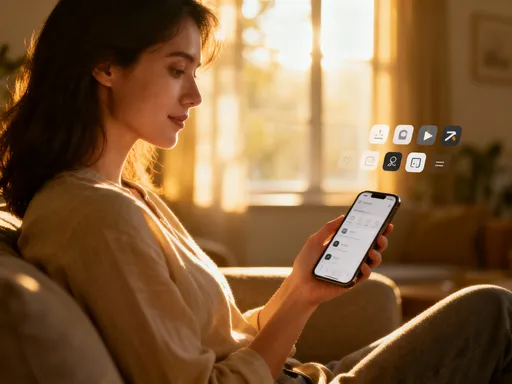
Now, think about your phone. It’s probably within arm’s reach right now. You use it for messages, calendars, maybe even grocery lists. But what if it could also be your quiet wellness partner? That’s where fitness apps come in—not as strict trainers or judgmental coaches, but as gentle allies that work with your real life.
These apps aren’t just for runners or gym-goers. Many are designed for people exactly like you: busy, juggling responsibilities, and looking for simple ways to feel better. They can track your steps automatically, remind you to stand up, or even guide you through a two-minute breathing exercise between meetings. The beauty is in the background work. You don’t have to log every movement or time your workouts. Your phone, paired with a smartwatch or even just your pocket, can passively record your activity—how many steps you took walking to the break room, how long you stood during a presentation, or how often you moved after sitting too long.
And the best part? These tools don’t ask for perfection. They meet you where you are. Missed a reminder? No guilt. Forgot to track a walk? No penalty. They’re not about hitting big numbers or comparing yourself to others. They’re about awareness—helping you see what your body is already doing and gently encouraging a little more. It’s like having a kind friend whisper, “Hey, you’ve been sitting a while. Want to stretch for a minute?” No pressure. Just support.
Small Shifts, Big Gains: Turning Work Tasks into Fitness Moments
You don’t need to carve out an hour for exercise to stay active. In fact, some of the most effective movement happens in tiny bursts—what experts call “micro-movements.” And guess what? Your workday is full of hidden opportunities.
Think about your daily routine. Do you walk to print a document? That’s movement. Do you stand up to take a phone call? That’s posture support. Do you pace while thinking through a problem? That’s brain-boosting activity. These moments may seem too small to matter, but when tracked and recognized, they add up in powerful ways. A fitness app can turn these invisible actions into visible progress—showing you that you’re doing more than you think.
Take Sarah, for example—a project manager in a mid-sized company. She used to feel guilty about not “exercising,” even though her days were packed. Then she started using an app that counted her steps and reminded her to move. She began taking the stairs instead of the elevator, walking to a colleague’s desk instead of emailing, and doing seated leg lifts while reviewing reports. Her app showed her progress—not in miles or calories, but in consistency. She wasn’t running marathons, but she was moving more, feeling lighter, and sleeping better. And the best part? She didn’t have to “find time” for fitness. She built it into the time she already had.
Here’s another idea: use voice notes while walking. Need to brainstorm ideas? Step into the hallway and talk them out. Have a long email to draft? Dictate it while pacing. These small changes don’t disrupt your workflow—they enhance it. Movement increases blood flow to the brain, which can improve creativity and focus. And when your app logs these moments, it reinforces the habit. You start to see movement not as a chore, but as a natural part of how you work.
Making It Stick: How Apps Build Habits Without Pressure
We’ve all tried to start new habits—only to fall off track by week three. Why? Because change is hard, especially when life gets busy. But fitness apps aren’t about big promises or rigid rules. They’re about gentle nudges and positive reinforcement—the kind that help habits stick without feeling overwhelming.
Think about how a simple notification can shift your behavior. “You’ve been sitting for an hour. How about a 2-minute stretch?” It’s not a command. It’s a suggestion, like a coworker offering you a glass of water. And when you follow it, the app might say, “Great job! You’re staying active today.” That small bit of praise? It matters. It builds confidence. It reminds you that effort counts, even if it’s small.
This is based on real psychology. Our brains respond well to immediate feedback and small wins. When you see that you’ve reached 5,000 steps by lunchtime, or that you’ve stood up six times today, it feels good. You’re not chasing perfection—you’re celebrating progress. And over time, those little wins add up to real change. The app doesn’t shame you for skipping a day. It doesn’t reset your streak with a red X. Many are designed to be forgiving—because life happens. Kids get sick, deadlines pile up, and some days, just showing up is enough.
The key is consistency, not intensity. And apps help by making the invisible visible. You might not notice how little you move during the day—until you see it on your screen. Then, the next day, you’re a little more aware. Maybe you stand during a Zoom call. Maybe you walk around the block after lunch. The app tracks it, acknowledges it, and gently pulls you forward. It’s not about doing more. It’s about doing a little, regularly—and feeling good about it.
Beyond Steps: How Tracking Improves Focus and Mood
Here’s something most people don’t expect: fitness tracking doesn’t just help your body. It helps your mind. Movement—especially short, frequent bursts—has a powerful effect on focus, mood, and mental clarity.
Have you ever noticed how a quick walk can clear your head after a stressful meeting? That’s not a coincidence. Physical activity increases blood flow to the brain, boosts endorphins, and reduces cortisol, the stress hormone. Even two minutes of stretching or deep breathing can reset your nervous system. And when your app guides you through these moments, it turns self-care into a seamless part of your workday.
Take Maria, a teacher and mother of two. Her days were packed—grading papers, attending virtual parent meetings, helping her kids with homework. She used to feel mentally drained by 6 p.m., with no energy left for herself. Then she started using an app that offered guided breathing exercises and gentle stretch reminders. She began taking three-minute breaks between tasks—just enough to breathe deeply or roll her shoulders. Within a week, she noticed a shift. She felt calmer, more present, and less reactive to small frustrations. Her sleep improved. Her confidence grew. And she didn’t have to “work out” to feel the benefits.
This is the hidden power of fitness apps: they support emotional resilience. When you move your body, you’re also calming your mind. When you take a break, you’re not being lazy—you’re recharging. And when your app recognizes that, it validates your need for balance. It’s not just about counting steps. It’s about creating a workday that supports your whole self—body, mind, and spirit.
Real Talk: What to Do When Motivation Fades
Let’s be honest: motivation doesn’t last forever. There will be days when you forget to wear your tracker, ignore notifications, or skip your usual walks. That’s normal. Everyone has off days. The key isn’t to aim for perfection—it’s to stay connected, even when you slip up.
When motivation dips, simplify. Pick one small feature of your app to focus on—like step goals, stand reminders, or weekly summaries. Don’t try to track everything at once. Start with what feels manageable. Maybe your goal is just to hit 4,000 steps a day. Or to stand up three times between 1 p.m. and 3 p.m. Small targets are easier to reach, and they keep you engaged without pressure.
Another trick? Use streaks as encouragement, not guilt. Many apps show how many days in a row you’ve met a goal. That can be motivating—but if you break the streak, don’t give up. Think of it like a garden. If you miss a day of watering, you don’t abandon the plants. You just pick up the hose again. The same goes for your habits. Your app isn’t keeping score. It’s waiting, ready to help the moment you’re ready to try again.
You can also make it social—without pressure. Invite a coworker or friend to join you, even casually. Share your weekly summary, or challenge each other to a “step-off” between departments. It doesn’t have to be competitive. Just knowing someone else is on the same journey can make a difference. And if you’re feeling low, remember: self-compassion is part of wellness too. You’re not failing. You’re learning. And every time you restart, you’re building resilience.
Your Workday, Reimagined: A Smarter, Lighter Way to Stay Well
What if your workday didn’t leave you drained? What if, instead, it helped you feel stronger, clearer, and more in control—without adding one more task to your plate?
That’s the quiet promise of fitness apps: not to turn you into an athlete, but to help you thrive in the life you already live. They don’t demand hours at the gym or strict diets. They don’t require you to wake up earlier or stay up later. They simply help you notice the movement you’re already doing—and gently invite you to do a little more.
Imagine a day where standing during a call feels natural. Where walking to a meeting becomes a chance to clear your mind. Where a two-minute stretch between emails helps you focus better. These aren’t grand gestures. They’re small, consistent actions—woven into your routine, supported by technology, and guided by kindness.
And over time, they add up. You might not see dramatic changes overnight. But you’ll notice the little things: less stiffness, more energy, better sleep, a brighter mood. You’ll feel more like yourself. And that’s the real goal—not perfection, but presence. Not fitness as a chore, but wellness as a quiet companion through your day.
So go ahead. Open that app. Put on your watch. Or just set a reminder on your phone. Start small. Be kind to yourself. And let technology do what it does best—not to replace your life, but to support it. Because you deserve to feel good—not just on weekends, or after vacation, but every single workday. And sometimes, the smallest shifts make the biggest difference.